Project Type
Project Type
Project Type
UX Case Study — Website Redesign
UX Case Study — Website Redesign
UX Case Study — Website Redesign
Role
Role
Role
UX Researcher, UI/UX Designer
UX Researcher, UI/UX Designer
UX Researcher, UI/UX Designer
Duration
Duration
Duration
8 days
8 days
8 days
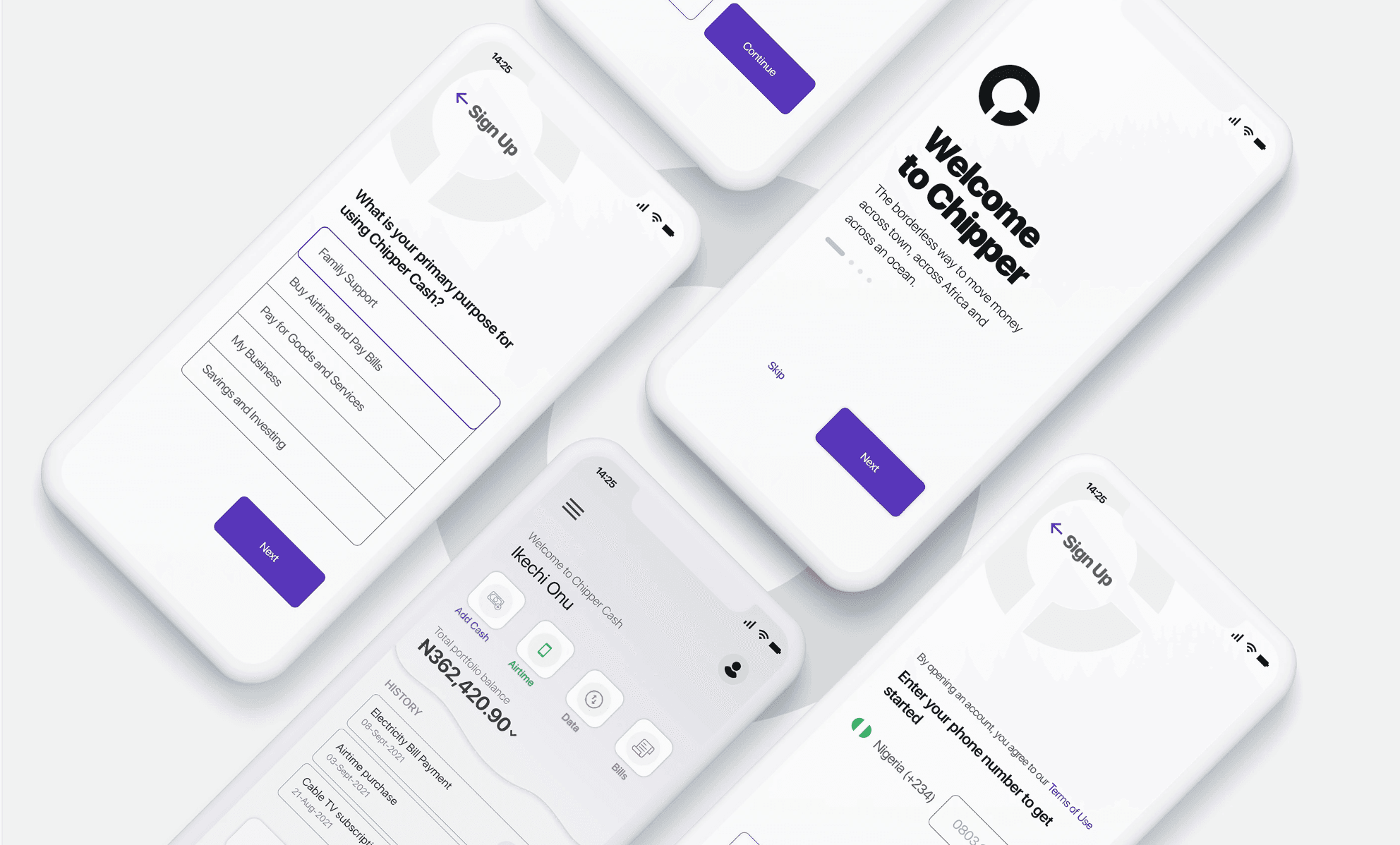
OVERVIEW
OVERVIEW
PROJECT DETAILS
Rethinking First Impressions for Africa's Largest Cross-Border Payments App
Founded in 2018, Chipper Cash became one of Africa's fastest-growing fintech platforms by making cross-border money transfers free and instant across seven African countries. By 2021, the app had over 4 million active users and had raised $100M in its Series C — cementing its status as a critical financial infrastructure product for millions of Africans, including large segments of the previously unbanked population.
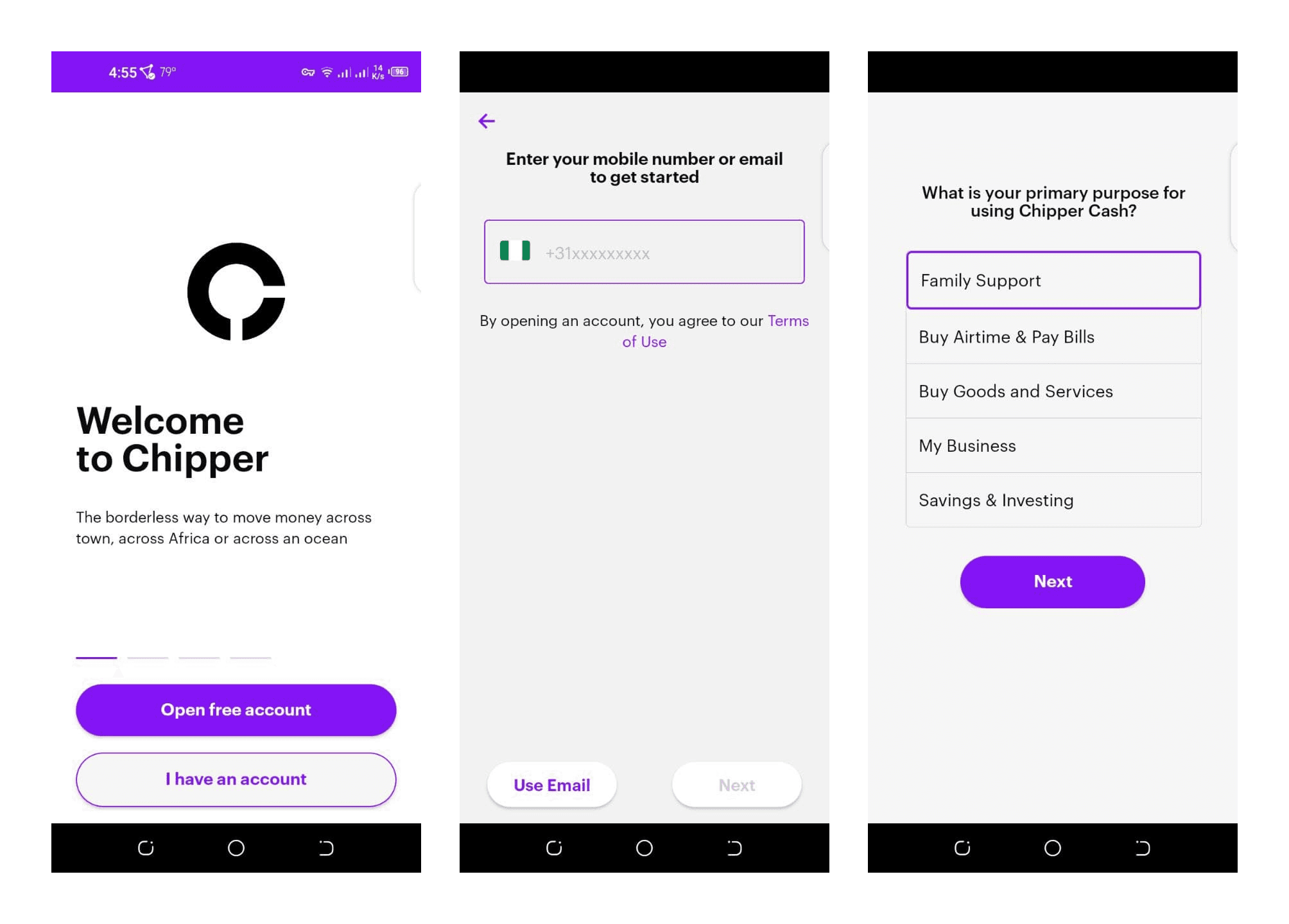
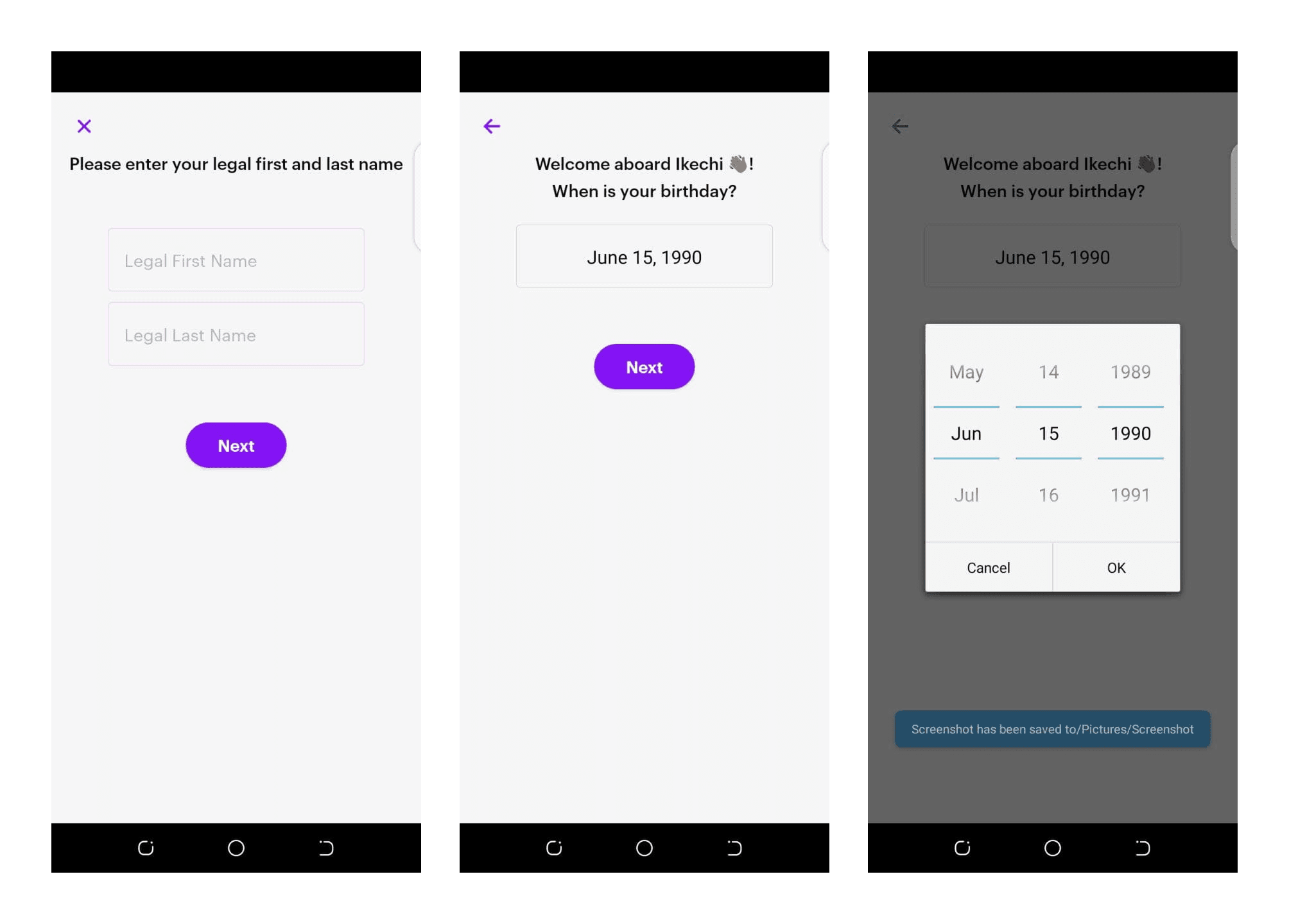
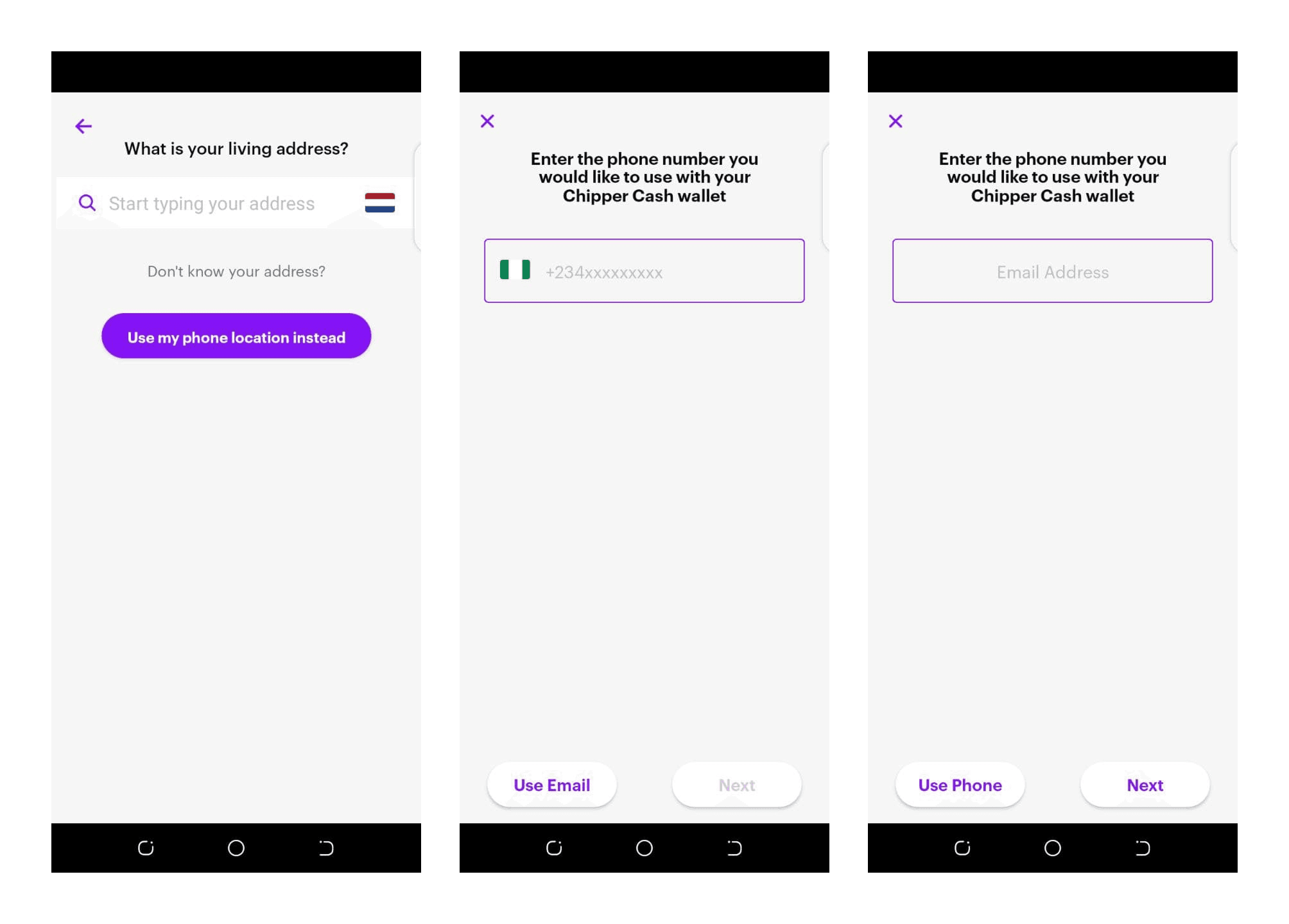
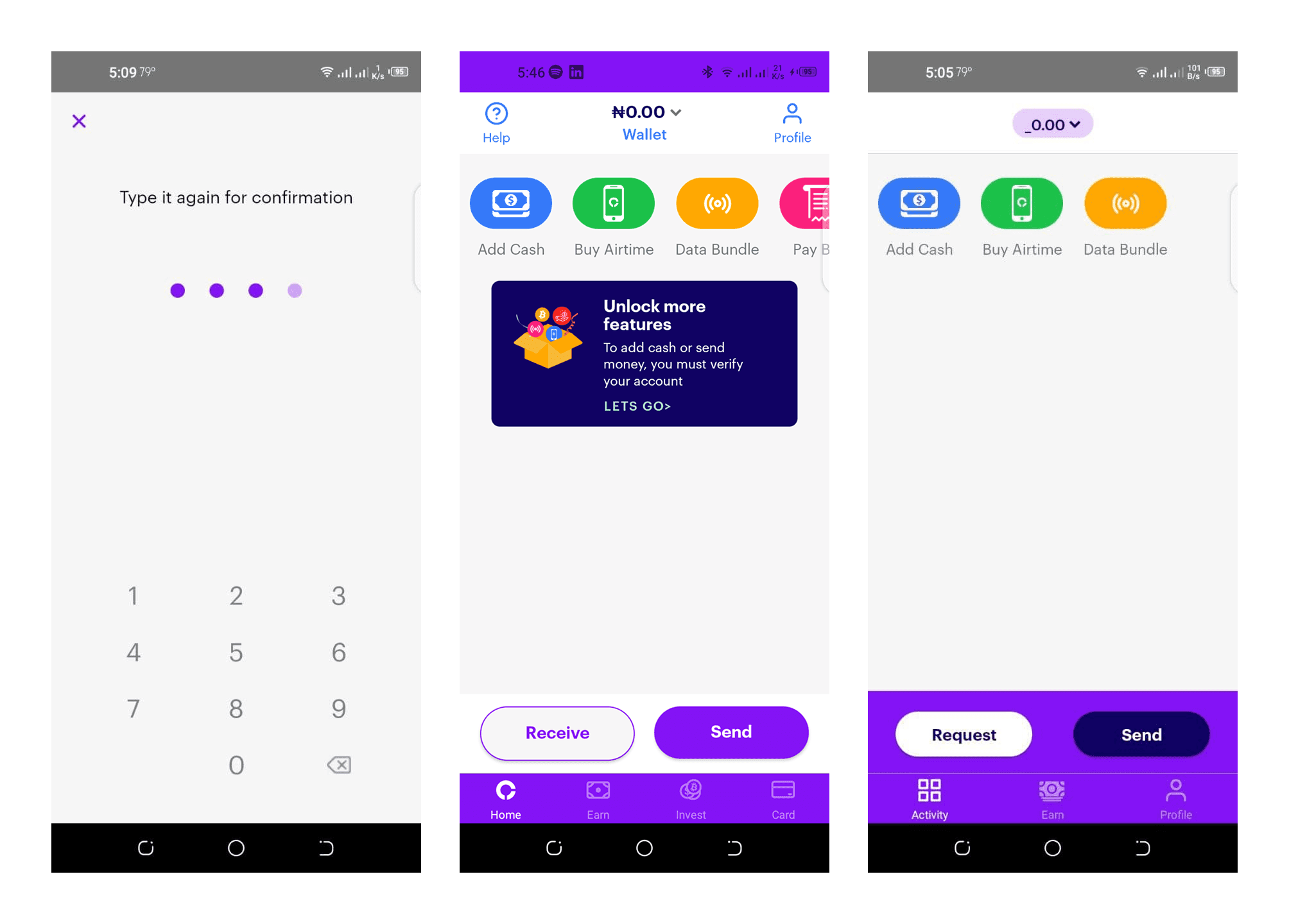
Despite this growth, the onboarding experience — the first interaction a new user has with the product — showed signs of being under-invested. After signing up and moving through the flow myself, I identified UI inconsistencies and structural friction that were working against the trust and clarity that a fintech product needs to establish immediately with new users.
This is a self-initiated redesign project. I undertook it not because the product was failing, but because I saw a meaningful gap between Chipper Cash's product ambition and the quality of its first-time user experience — and wanted to explore what a better version could look like.
Rethinking First Impressions for Africa's Largest Cross-Border Payments App
Founded in 2018, Chipper Cash became one of Africa's fastest-growing fintech platforms by making cross-border money transfers free and instant across seven African countries. By 2021, the app had over 4 million active users and had raised $100M in its Series C — cementing its status as a critical financial infrastructure product for millions of Africans, including large segments of the previously unbanked population.
Despite this growth, the onboarding experience — the first interaction a new user has with the product — showed signs of being under-invested. After signing up and moving through the flow myself, I identified UI inconsistencies and structural friction that were working against the trust and clarity that a fintech product needs to establish immediately with new users.
This is a self-initiated redesign project. I undertook it not because the product was failing, but because I saw a meaningful gap between Chipper Cash's product ambition and the quality of its first-time user experience — and wanted to explore what a better version could look like.
Rethinking First Impressions for Africa's Largest Cross-Border Payments App
Founded in 2018, Chipper Cash became one of Africa's fastest-growing fintech platforms by making cross-border money transfers free and instant across seven African countries. By 2021, the app had over 4 million active users and had raised $100M in its Series C — cementing its status as a critical financial infrastructure product for millions of Africans, including large segments of the previously unbanked population.
Despite this growth, the onboarding experience — the first interaction a new user has with the product — showed signs of being under-invested. After signing up and moving through the flow myself, I identified UI inconsistencies and structural friction that were working against the trust and clarity that a fintech product needs to establish immediately with new users.
This is a self-initiated redesign project. I undertook it not because the product was failing, but because I saw a meaningful gap between Chipper Cash's product ambition and the quality of its first-time user experience — and wanted to explore what a better version could look like.
PROBLEM
PROBLEM
PROJECT DETAILS
Friction at the Most Critical Moment
The onboarding flow is the highest-stakes moment in a fintech product. Users arrive with a mix of curiosity, expectation, and — particularly for a money-transfer app — a meaningful degree of caution. First impressions determine whether users complete signup, add funds, and make that first transaction. The existing Chipper Cash onboarding had several issues that undercut that critical trust-building window:
Visual inconsistency across screens — varying type treatments, spacing rhythms, and component styles created a sense of a product assembled rather than designed, which erodes perceived credibility.
The information hierarchy on key screens was unclear — the most important actions were not consistently the most visually prominent, making users work harder to know what to do next.
The flow lacked the kind of visual warmth and cultural resonance that an Africa-first product could and should express — screens felt generic and interchangeable with any Western fintech app.
Step progression was not clearly communicated — users had no reliable sense of where they were in the onboarding sequence or how much remained, which increases anxiety and abandonment in signup flows.
Friction at the Most Critical Moment
The onboarding flow is the highest-stakes moment in a fintech product. Users arrive with a mix of curiosity, expectation, and — particularly for a money-transfer app — a meaningful degree of caution. First impressions determine whether users complete signup, add funds, and make that first transaction. The existing Chipper Cash onboarding had several issues that undercut that critical trust-building window:
Visual inconsistency across screens — varying type treatments, spacing rhythms, and component styles created a sense of a product assembled rather than designed, which erodes perceived credibility.
The information hierarchy on key screens was unclear — the most important actions were not consistently the most visually prominent, making users work harder to know what to do next.
The flow lacked the kind of visual warmth and cultural resonance that an Africa-first product could and should express — screens felt generic and interchangeable with any Western fintech app.
Step progression was not clearly communicated — users had no reliable sense of where they were in the onboarding sequence or how much remained, which increases anxiety and abandonment in signup flows.
Friction at the Most Critical Moment
The onboarding flow is the highest-stakes moment in a fintech product. Users arrive with a mix of curiosity, expectation, and — particularly for a money-transfer app — a meaningful degree of caution. First impressions determine whether users complete signup, add funds, and make that first transaction. The existing Chipper Cash onboarding had several issues that undercut that critical trust-building window:
Visual inconsistency across screens — varying type treatments, spacing rhythms, and component styles created a sense of a product assembled rather than designed, which erodes perceived credibility.
The information hierarchy on key screens was unclear — the most important actions were not consistently the most visually prominent, making users work harder to know what to do next.
The flow lacked the kind of visual warmth and cultural resonance that an Africa-first product could and should express — screens felt generic and interchangeable with any Western fintech app.
Step progression was not clearly communicated — users had no reliable sense of where they were in the onboarding sequence or how much remained, which increases anxiety and abandonment in signup flows.
Context:
For 21% of Chipper Cash's card customers, getting a Chipper Card was their first time accessing a payment card. That stat underscores how critical a clean, clear, confidence-building onboarding experience is — these aren't power users, they're people making a significant first step into digital finance.
Context:
For 21% of Chipper Cash's card customers, getting a Chipper Card was their first time accessing a payment card. That stat underscores how critical a clean, clear, confidence-building onboarding experience is — these aren't power users, they're people making a significant first step into digital finance.
Context:
For 21% of Chipper Cash's card customers, getting a Chipper Card was their first time accessing a payment card. That stat underscores how critical a clean, clear, confidence-building onboarding experience is — these aren't power users, they're people making a significant first step into digital finance.
RESEARCH & DISCOVERY
RESEARCH & DISCOVERY
PROJECT DETAILS
A Heuristic Audit Grounded in Fintech Onboarding Principles
I approached this project through a structured heuristic evaluation of the existing Chipper Cash onboarding flow, benchmarked against established fintech onboarding best practices and peer products in the African digital finance space. I also reviewed public user feedback and App Store commentary to identify pain points real users were voicing.
Key findings from the audit:
Users expect onboarding to feel fast. The perceived length of a signup flow — even when the actual steps are reasonable — is heavily influenced by how much progress clarity the UI provides. The original flow offered little of this.
Trust signals matter immediately. In an app that handles money, users are subconsciously evaluating whether the product looks professional and secure from the very first screen. Inconsistent UI patterns work against this.
The KYC (Know Your Customer) verification step is an expected friction point — but the surrounding flow should be designed to reduce anxiety around it, not amplify it through unclear copy or poor visual hierarchy.
A Heuristic Audit Grounded in Fintech Onboarding Principles
I approached this project through a structured heuristic evaluation of the existing Chipper Cash onboarding flow, benchmarked against established fintech onboarding best practices and peer products in the African digital finance space. I also reviewed public user feedback and App Store commentary to identify pain points real users were voicing.
Key findings from the audit:
Users expect onboarding to feel fast. The perceived length of a signup flow — even when the actual steps are reasonable — is heavily influenced by how much progress clarity the UI provides. The original flow offered little of this.
Trust signals matter immediately. In an app that handles money, users are subconsciously evaluating whether the product looks professional and secure from the very first screen. Inconsistent UI patterns work against this.
The KYC (Know Your Customer) verification step is an expected friction point — but the surrounding flow should be designed to reduce anxiety around it, not amplify it through unclear copy or poor visual hierarchy.
A Heuristic Audit Grounded in Fintech Onboarding Principles
I approached this project through a structured heuristic evaluation of the existing Chipper Cash onboarding flow, benchmarked against established fintech onboarding best practices and peer products in the African digital finance space. I also reviewed public user feedback and App Store commentary to identify pain points real users were voicing.
Key findings from the audit:
Users expect onboarding to feel fast. The perceived length of a signup flow — even when the actual steps are reasonable — is heavily influenced by how much progress clarity the UI provides. The original flow offered little of this.
Trust signals matter immediately. In an app that handles money, users are subconsciously evaluating whether the product looks professional and secure from the very first screen. Inconsistent UI patterns work against this.
The KYC (Know Your Customer) verification step is an expected friction point — but the surrounding flow should be designed to reduce anxiety around it, not amplify it through unclear copy or poor visual hierarchy.
DESIGN PRINCIPLES
DESIGN PRINCIPLES
PROJECT DETAILS
What the Redesign Needed to Achieve
Clarity first — every screen should have one clear primary action, with no ambiguity about what comes next.
Build trust visually — consistent component styling, professional typography, and appropriate use of colour to signal states and hierarchy.
Reduce perceived length — use progress indicators and break steps into digestible chunks so users feel momentum.
Africa-forward, not Africa-afterthought — the visual language should feel culturally considered, not lifted from a generic global fintech template.
What the Redesign Needed to Achieve
Clarity first — every screen should have one clear primary action, with no ambiguity about what comes next.
Build trust visually — consistent component styling, professional typography, and appropriate use of colour to signal states and hierarchy.
Reduce perceived length — use progress indicators and break steps into digestible chunks so users feel momentum.
Africa-forward, not Africa-afterthought — the visual language should feel culturally considered, not lifted from a generic global fintech template.
What the Redesign Needed to Achieve
Clarity first — every screen should have one clear primary action, with no ambiguity about what comes next.
Build trust visually — consistent component styling, professional typography, and appropriate use of colour to signal states and hierarchy.
Reduce perceived length — use progress indicators and break steps into digestible chunks so users feel momentum.
Africa-forward, not Africa-afterthought — the visual language should feel culturally considered, not lifted from a generic global fintech template.
SOLUTION
SOLUTION
PROJECT DETAILS
A Redesigned Onboarding Flow Built on Consistency and Clarity
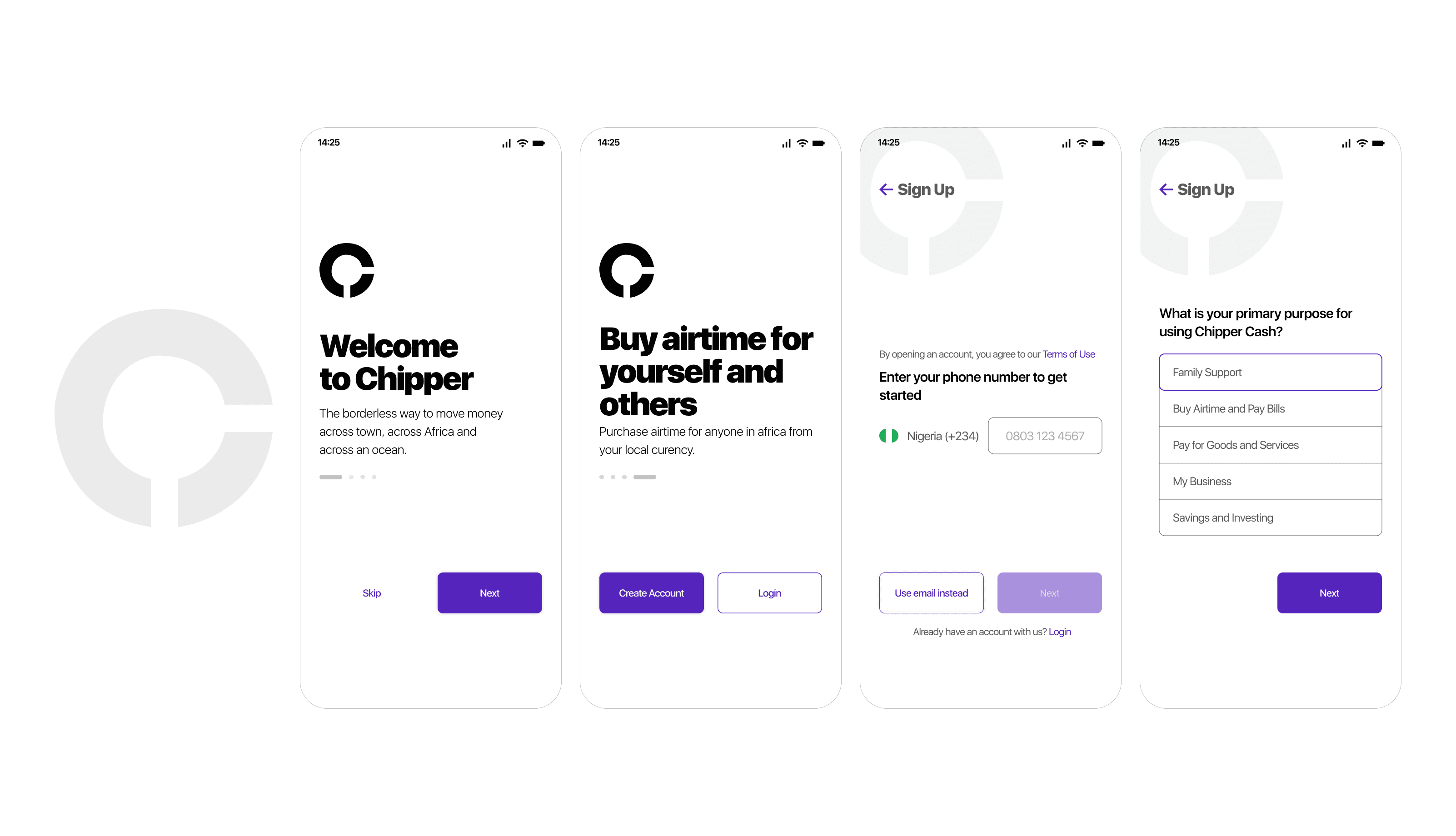
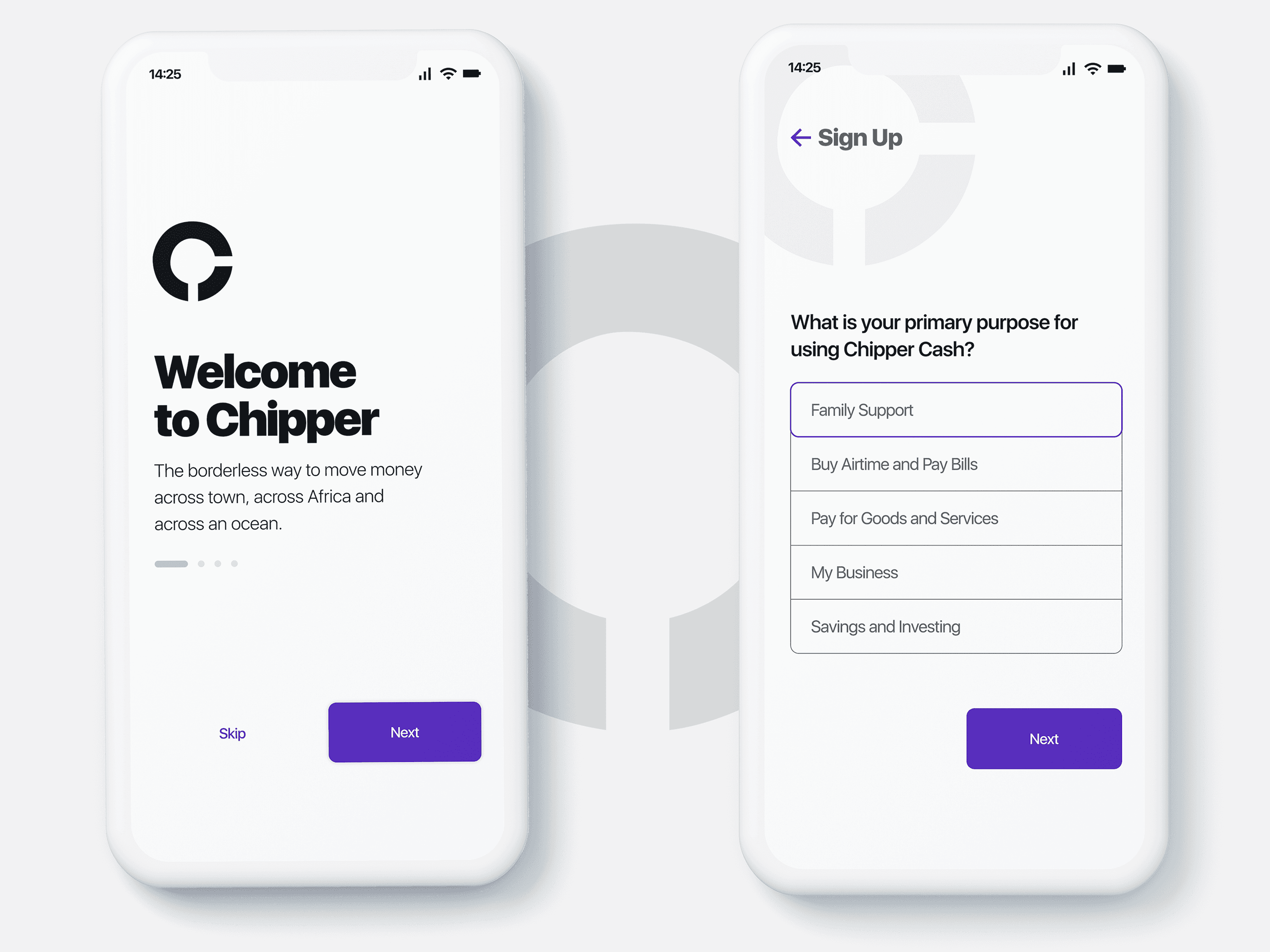
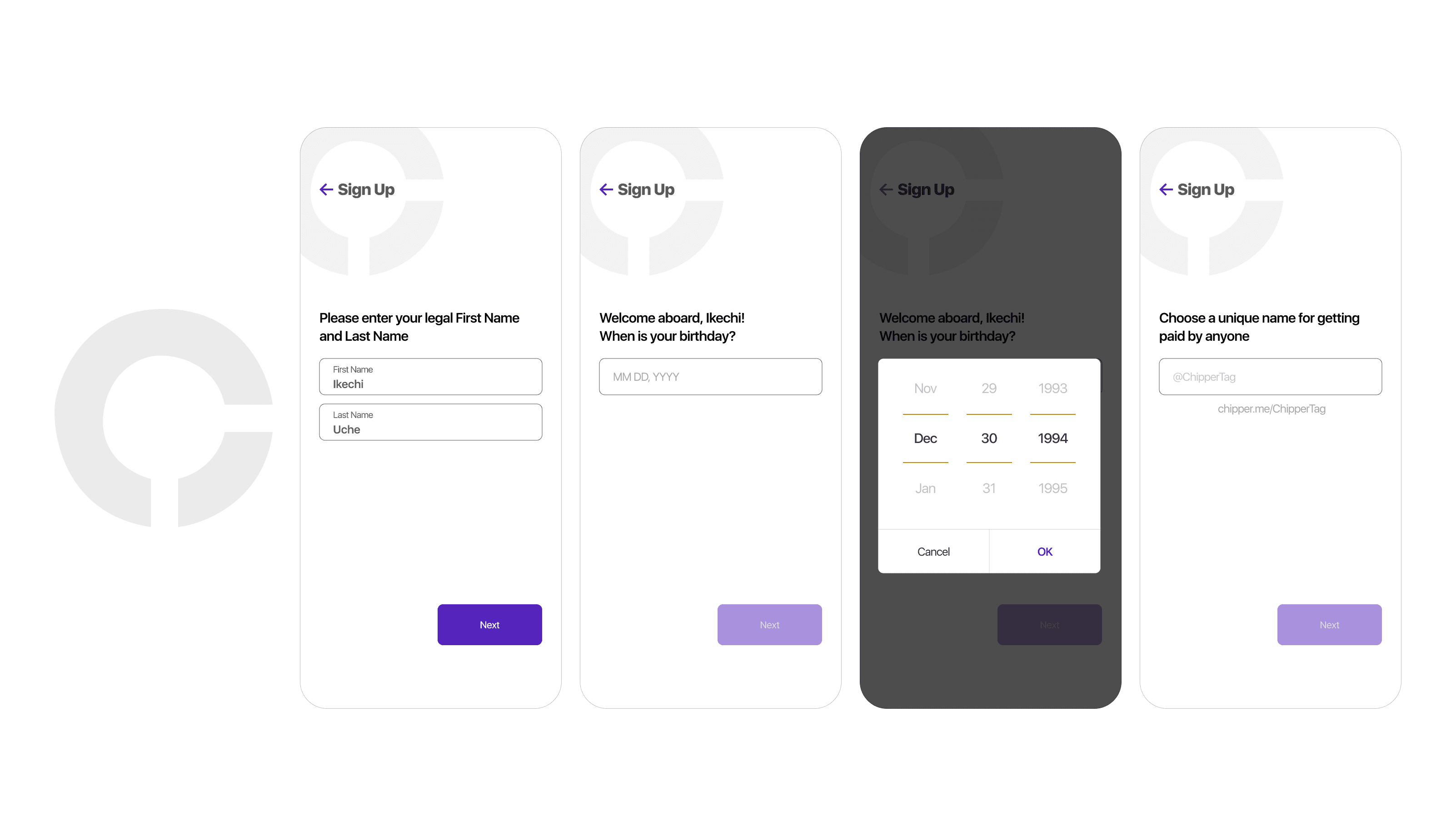
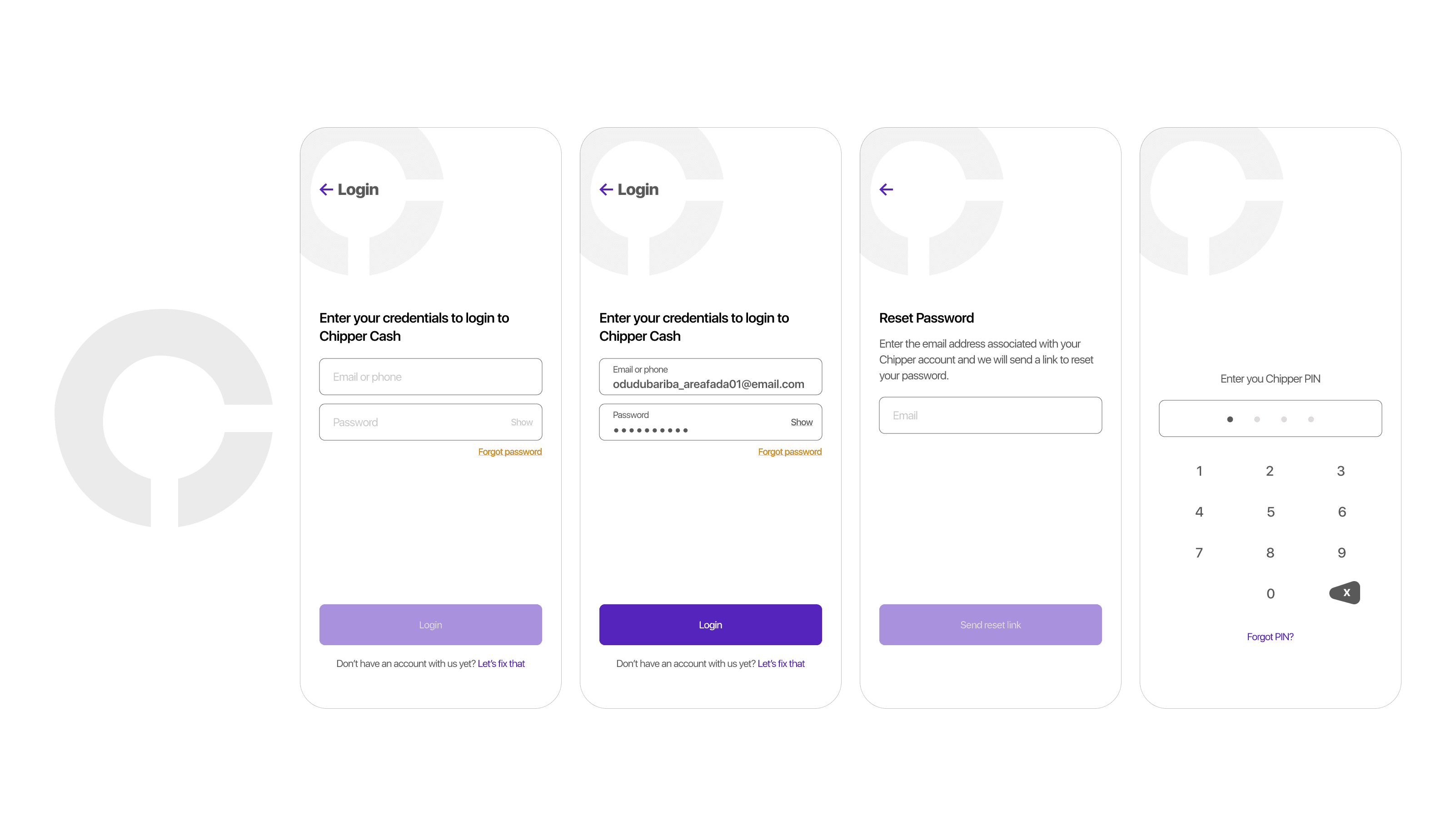
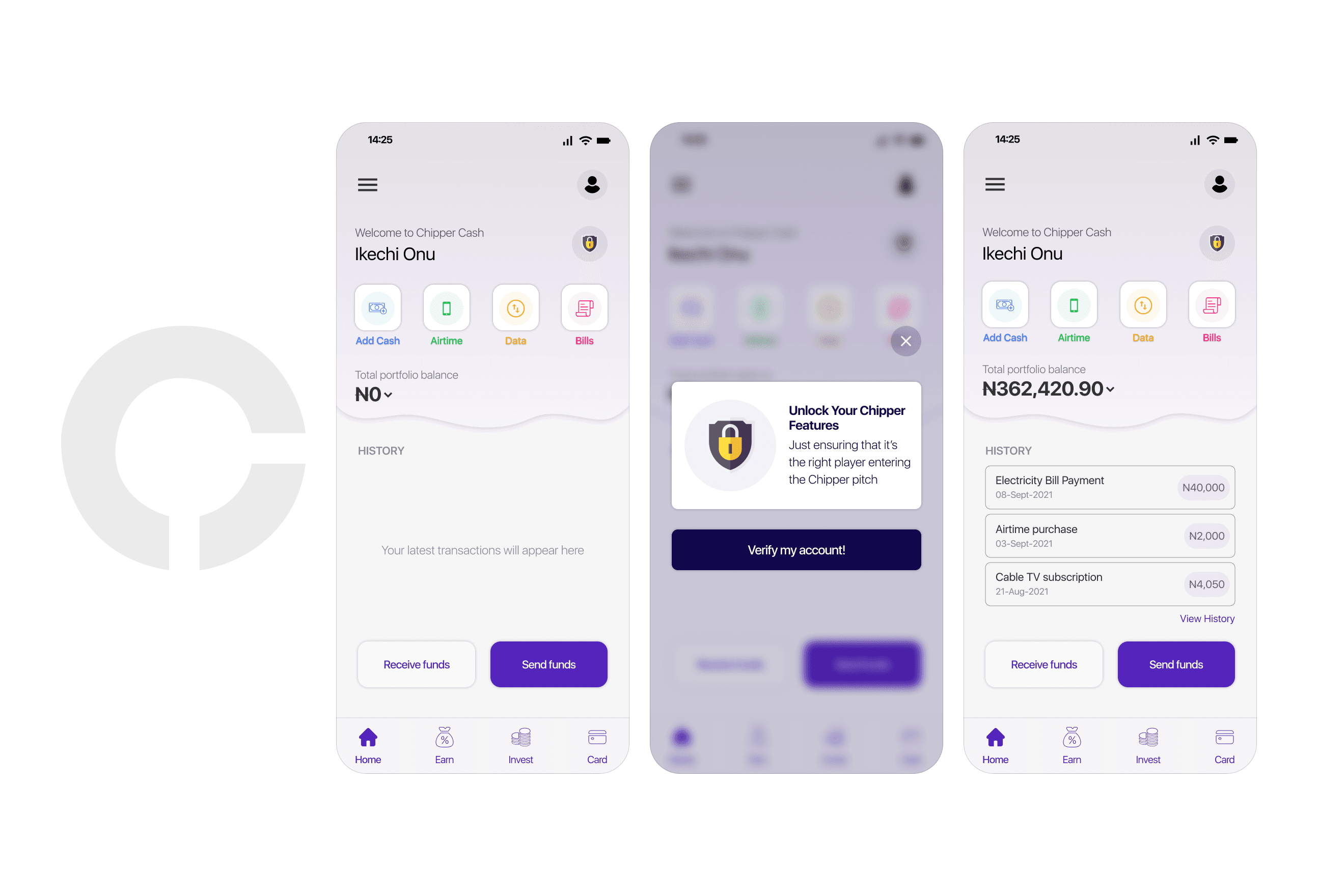
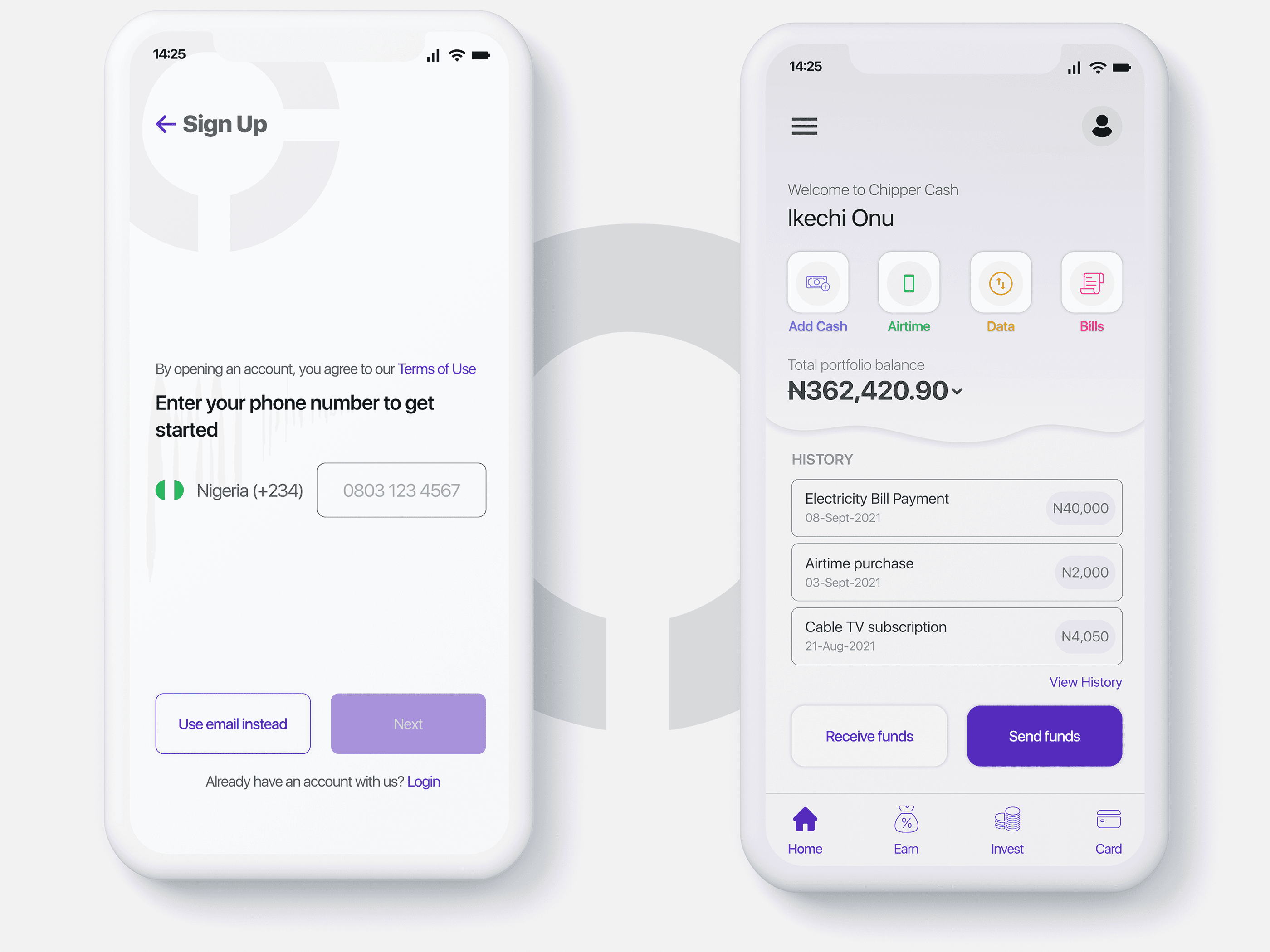
The redesign addressed each identified issue systematically: a unified component library applied across all onboarding screens, a persistent step-progress indicator, refreshed typography hierarchy that clearly distinguishes primary actions from supporting copy, and a visual language that feels warm, modern, and distinctly African.
Specific screen improvements included: a cleaner welcome screen that leads with value proposition rather than feature lists; a streamlined form layout for personal details with clearer field labels and inline validation; and a KYC screen redesign that frames the identity verification step with reassuring copy and clear instruction — reducing the psychological friction of submitting personal documents.
A Redesigned Onboarding Flow Built on Consistency and Clarity
The redesign addressed each identified issue systematically: a unified component library applied across all onboarding screens, a persistent step-progress indicator, refreshed typography hierarchy that clearly distinguishes primary actions from supporting copy, and a visual language that feels warm, modern, and distinctly African.
Specific screen improvements included: a cleaner welcome screen that leads with value proposition rather than feature lists; a streamlined form layout for personal details with clearer field labels and inline validation; and a KYC screen redesign that frames the identity verification step with reassuring copy and clear instruction — reducing the psychological friction of submitting personal documents.
A Redesigned Onboarding Flow Built on Consistency and Clarity
The redesign addressed each identified issue systematically: a unified component library applied across all onboarding screens, a persistent step-progress indicator, refreshed typography hierarchy that clearly distinguishes primary actions from supporting copy, and a visual language that feels warm, modern, and distinctly African.
Specific screen improvements included: a cleaner welcome screen that leads with value proposition rather than feature lists; a streamlined form layout for personal details with clearer field labels and inline validation; and a KYC screen redesign that frames the identity verification step with reassuring copy and clear instruction — reducing the psychological friction of submitting personal documents.
High Fidelity Mock-Ups
PROJECT DETAILS
PROJECT DETAILS
REFLECTION
REFLECTION
PROJECT DETAILS
What This Project Demonstrates
This project reflects how I approach design critique: not as a negative judgment of another team's work, but as a professional exercise in identifying where design could do more work for users. A product at Chipper Cash's scale operates under real constraints — engineering capacity, regulatory requirements, rapid market expansion — that explain why onboarding polish may not have been the top priority. This redesign explores what's possible when it is.
What This Project Demonstrates
This project reflects how I approach design critique: not as a negative judgment of another team's work, but as a professional exercise in identifying where design could do more work for users. A product at Chipper Cash's scale operates under real constraints — engineering capacity, regulatory requirements, rapid market expansion — that explain why onboarding polish may not have been the top priority. This redesign explores what's possible when it is.
What This Project Demonstrates
This project reflects how I approach design critique: not as a negative judgment of another team's work, but as a professional exercise in identifying where design could do more work for users. A product at Chipper Cash's scale operates under real constraints — engineering capacity, regulatory requirements, rapid market expansion — that explain why onboarding polish may not have been the top priority. This redesign explores what's possible when it is.
Let's Build Something Great Together
Whether you have a role in mind or just want to connect, I would love to hear from you.
Get in touch
Let's Build Something Great Together
Whether you have a role in mind or just want to connect, I would love to hear from you.
Get in touch